
Dicle Bridge, often referred to as the Ten-Eyed Bridge, stands as an architectural marvel and a testament to the rich history of Diyarbakır. This iconic structure not only captivates visitors with its stunning design but also serves as a gateway to explore the surrounding cultural landscape. As you stroll across its ancient arches, you’ll discover the intriguing historical significance of the bridge, alongside numerous attractions nearby, including the breathtaking Çeşnigir Bridge. Moreover, the vibrant activities and events that take place around Dicle Bridge highlight the region’s dynamic culture. In this blog post, we will guide you through the remarkable features of Dicle Bridge, the best ways to experience its beauty, and how to visit this enchanting landmark in Diyarbakır.
Exploring the Historic Significance of Dicle Bridge
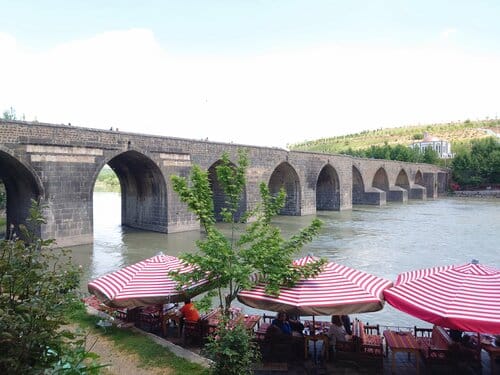
The Dicle Bridge, also known as the Ten-Eyed Bridge, holds a unique position in Turkey’s rich tapestry of history and architecture. Constructed during the medieval period, this remarkable structure spans the Tigris River, enhancing not only connectivity but also trade and cultural exchange in the region. The bridge’s engineering exemplifies the ingenuity of the medieval craftsmen, featuring intricate stonework and a series of arches that rise majestically over the water.
Historically, the Dicle Bridge served as a pivotal route for traders and travelers alike, linking the bustling markets of Diyarbakır to neighboring territories. Its strategic significance cannot be overstated, as it facilitated the movement of goods, ideas, and cultures. The bridge witnessed countless historical events, including military campaigns and local celebrations, making it an integral part of the region’s collective memory.
Moreover, the Dicle Bridge not only reflects the architectural styles of various periods but also symbolizes the resilience of the people who built and maintained it. Visitors today can appreciate its beauty while delving into the stories it holds, encapsulating the convergence of past and present. Understanding the historical significance of this bridge enriches the experience of anyone exploring the captivating city of Diyarbakır.
Top Attractions Near Çeşnigir Bridge
When you visit the Çeşnigir Bridge, you’re not just experiencing a historic marvel; you’re also in proximity to a wealth of attractions that enrich your understanding of the region’s culture and history.
1. Hasankeyf: Just a short drive from Çeşnigir Bridge, the ancient town of Hasankeyf is a must-visit. Known for its captivating cliffs and the Tigris River views, this site offers remnants of a storied past, including medieval structures and caves that tell tales of centuries gone by.
2. Batman Province: Another nearby gem is the Batman Province, which boasts various archaeological sites and beautiful landscapes. Adventurers will love exploring the stunning national parks, perfect for hiking or a peaceful picnic amid nature’s beauty.
3. Derik Castle: Overlooking the Tigris River, Derik Castle is a perfect stop for history enthusiasts. This fortress has been a sentinel for both empires and explorers alike. The panoramic views from the castle make it an ideal spot for photography.
4. The Tigris River: The river itself is an attraction. Visitors can partake in boat tours, which provide a unique view of the region’s natural beauty and are perfect for those looking to unwind while soaking in the serene surroundings.
Exploring these attractions not only enhances your visit to the Çeşnigir Bridge but also allows you to immerse yourself in the rich tapestry of Diyarbakır’s heritage. Each site tells a story, creating a holistic experience for travelers.
Dicle Bridge: Architectural Marvel of Diyarbakır
The Dicle Bridge, often referred to as the Ten-Eyed Bridge, is a stunning example of medieval architecture that captivates visitors with its grace and historical significance. Constructed in the 1047-1048 period during the reign of the Seljuk Empire, this bridge showcases remarkable engineering feats that have allowed it to withstand the test of time.
Design and Structure: Spanning the Tigris River, the bridge features ten arches, which contribute not only to its aesthetic appeal but also to its structural integrity. Each arch is meticulously crafted from local basalt stone, giving the bridge its distinctive dark hue. The strategic placement of these arches allows for efficient water flow during the river’s seasonal changes, showcasing the ingenuity of its designers.
Historical Significance: The Dicle Bridge has served as a vital crossing point for trade routes, linking various regions and facilitating cultural exchange throughout history. As a symbol of Diyarbakır, it has witnessed numerous historical events and served as a meeting place for travelers, merchants, and local residents.
Modern-Day Preservation: Today, the bridge stands as an architectural marvel, drawing countless tourists eager to experience its historical ambiance. Preservation efforts have ensured that the integrity and beauty of this historic structure remain intact, allowing future generations to appreciate its significance.
In essence, the Dicle Bridge is not just a functional passage; it embodies the rich cultural heritage of Diyarbakır, making it a must-visit landmark for anyone exploring this remarkable city.
Cultural Events and Activities Around Çeşnigir Bridge
The area surrounding the Çeşnigir Bridge is vibrant with cultural events and activities that reflect the rich heritage of Diyarbakır. Festivals and Fairs play a significant role in the local culture, often taking place in the scenic parklands and historic sites near the bridge. Visitors can enjoy various traditional performances, from folk dance troupes to live music shows, celebrating the region’s unique customs and history.
In addition to festivals, art exhibitions are frequently organized in nearby galleries, showcasing local artisans and their works. These exhibits often feature intricate crafts, paintings, and sculptures that tell the story of Diyarbakır’s artistic legacy. Participating in these events provides a deeper understanding of the culture and an opportunity to support local artists.
Workshops and Classes also take place around the Çeşnigir Bridge, focusing on traditional crafts such as pottery and weaving. Visitors can immerse themselves in hands-on experiences, learning from skilled artisans and taking home a piece of Diyarbakır’s culture.
Moreover, local gastronomy festivals highlight the region’s culinary delights, where one can savor authentic dishes and learn about the ingredients and cooking methods that are characteristic of this area. Engaging in these cultural events not only enriches your visit but also fosters a sense of community and pride among locals and tourists alike.

How to Reach and Visit Dicle Bridge in Diyarbakır
Visiting the Dicle Bridge is an enriching experience that combines both history and natural beauty. To reach this iconic landmark, you can start your journey from the Diyarbakır city center, which is well-connected by various modes of transportation.
Public Transport Options: Numerous local buses and dolmuş (shared taxis) are available, making it easy for visitors to travel to the bridge. Make sure to check the routes and schedules ahead of time to find the most convenient option. Alternatively, you can opt for a taxi, which provides a direct and comfortable ride.
Walking to the Bridge: For those who prefer a more leisurely pace, walking is a great option. Stroll through the charming streets of Diyarbakır, allowing yourself to soak in the vibrant atmosphere and local culture along the way. The distance from the city center to the Dicle Bridge is manageable, making it an enjoyable excursion on foot.
Visiting Hours and Tips: The bridge is accessible year-round and is particularly beautiful during sunrise and sunset. A visit in the early morning would allow you to avoid crowds and appreciate its serene environment. Additionally, consider bringing a camera, as the stunning views provide an excellent backdrop for memorable photos. Don’t forget to explore the surrounding area, including the nearby Çeşnigir Bridge, to enhance your visit to this historic part of Diyarbakır.