

When planning an adventure abroad, selecting the right type of accommodation can significantly impact your overall experience. With a multitude of options available, ranging from cozy hostels to luxurious hotels and charming vacation rentals, understanding the differences can help you make an informed decision. Additionally, you should consider various factors such as budget, location, and amenities, as these elements can influence your comfort and enjoyment. In this post, we will explore the distinct types of Accommodation Abroad, weigh their respective benefits, and provide a comprehensive cost comparison to assist you in finding the perfect fit for your travel needs.
Understanding the Different Types of Accommodation Abroad
When planning your travels, it’s vital to explore the Accommodation Abroad options available to you. Each type of accommodation provides distinct advantages, catering to diverse needs, preferences, and budgets.
1. Hotels: Hotels are perhaps the most recognized form of accommodation. Ranging from budget to luxury, they often offer amenities such as room service, housekeeping, and on-site restaurants. They are ideal for travelers seeking comfort and convenience in a centralized location.
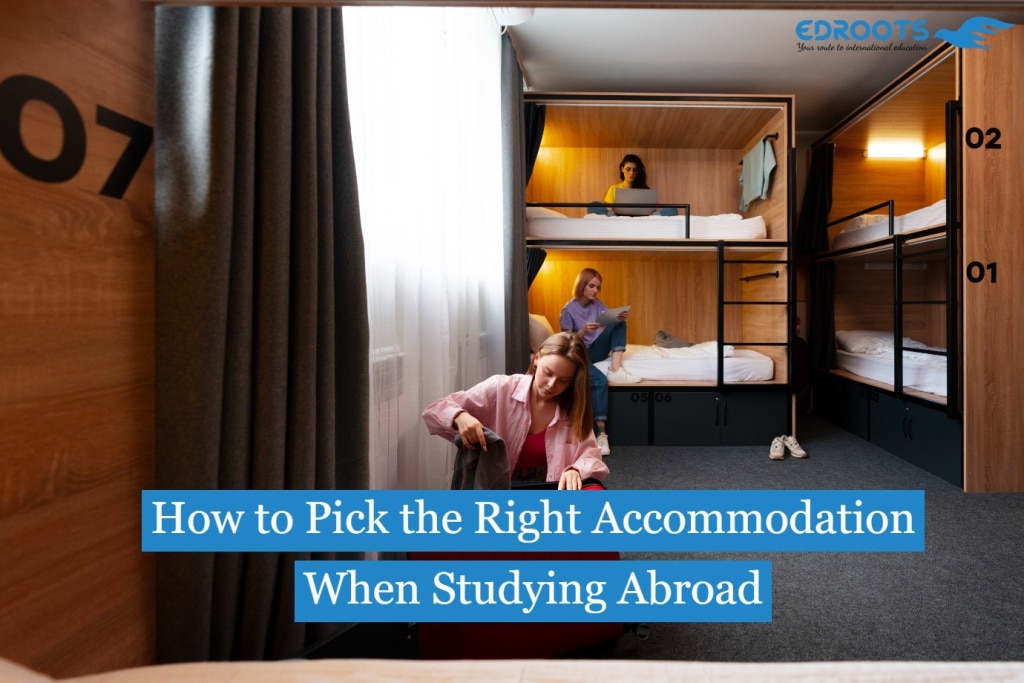
2. Hostels: For those on a tight budget, hostels are an excellent choice. They provide shared rooms with communal facilities, fostering a social environment. Hostels typically appeal to backpackers and youths, making them a popular spot for meeting fellow travelers.
3. Vacation Rentals: Platforms like Airbnb and Vrbo have revolutionized vacation rentals. These options can range from entire homes to private rooms, offering a unique opportunity to experience local culture and living conditions. Vacation rentals may be ideal for families or groups seeking more space and privacy.
4. Guesthouses: Offering a more personal touch, guesthouses usually have fewer rooms and can provide customized services. They often reflect the local culture and are a better option for those looking to engage more deeply with their host country.
5. Serviced Apartments: These provide the comforts of home along with hotel-like amenities. They are perfect for long-term stays, particularly for business travelers or those seeking a more residential experience during their journey.
Considering these options will ensure you find the right fit for your travel needs, making your experience abroad even more enjoyable.
Factors to Consider When Choosing Accommodation Abroad
When selecting Accommodation Abroad, several critical factors can significantly influence your decision. Understanding these elements ensures you find a suitable place that meets your needs while enhancing your overall experience.
Location is often the first consideration. Proximity to public transport, local attractions, and essential services like grocery stores and hospitals plays a significant role in your daily convenience. Additionally, consider the safety of the neighborhood, as feeling secure in your area is paramount.
Budget is another essential factor. Different accommodation types range from budget hostels to luxury apartments. Establishing a clear budget not only helps you narrow down options but also allows for better financial planning during your stay.
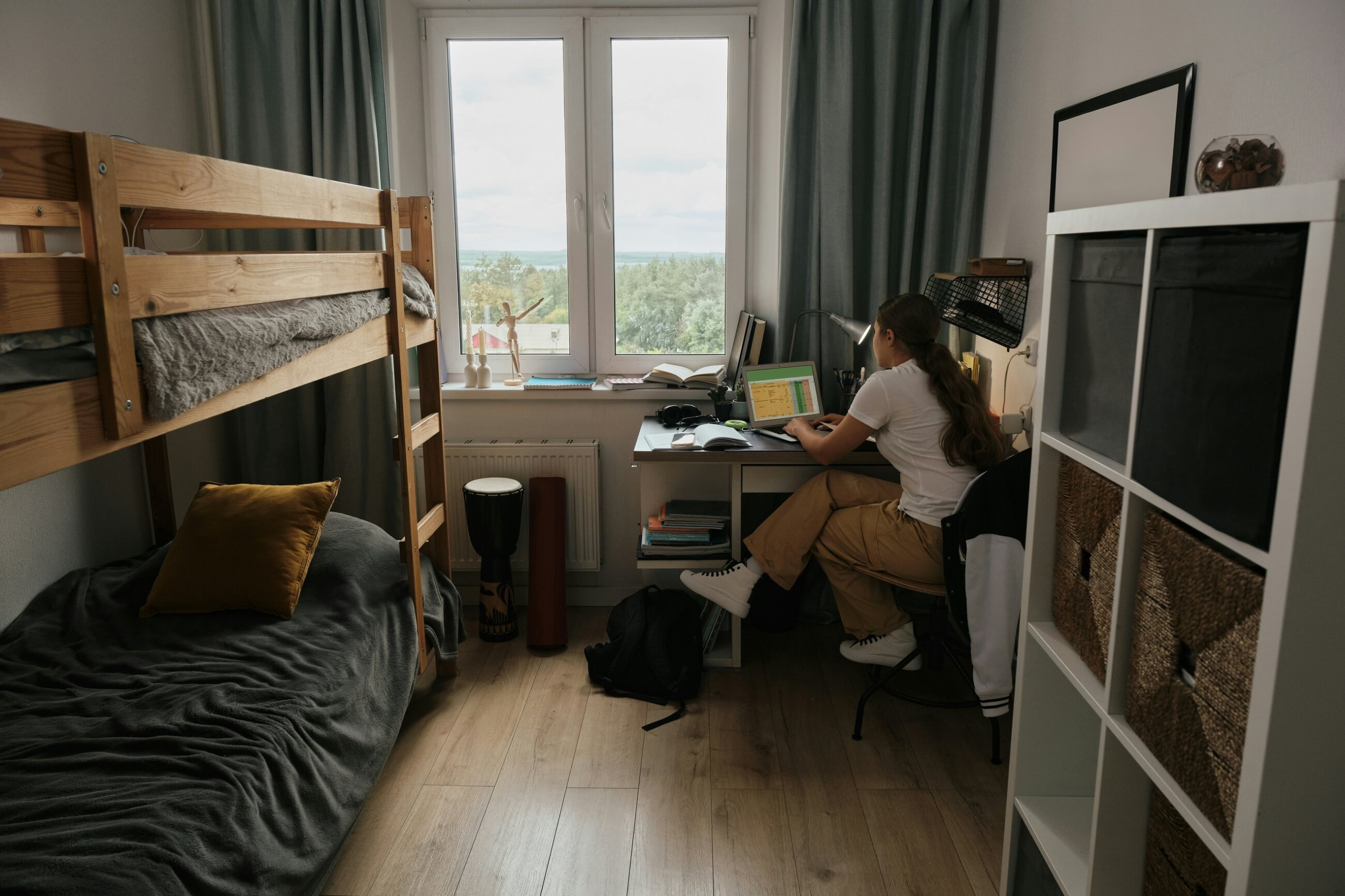
Duration of Stay is equally important. Short-term rentals might be ideal for vacationers, while long-term options like serviced apartments may be better suited for individuals on extended assignments or study abroad programs.
Amenities and Services also deserve attention. Some accommodations may offer additional perks like Wi-Fi, gym access, or on-site laundry, which can enhance your comfort. Decide which amenities are non-negotiable versus those that are optional.
Lastly, think about the local culture and lifestyle. Choosing accommodation that aligns with your interests, whether urban or rural, vibrant or quiet, can greatly enrich your experience abroad. With these factors in mind, you can make an informed choice that enhances your stay overseas.
Cost Comparison of Accommodation Options Abroad
When venturing into Accommodation Abroad, understanding the cost implications is crucial for budgeting your travel effectively. A thorough cost comparison can help you make an informed decision based on your financial constraints and comfort preferences.
Hotels generally range from budget to luxury, with prices varying significantly depending on the location and rating. In popular tourist destinations, mid-range hotels might charge anywhere from $100 to $300 per night, while luxury options can soar to $500 or more. On the other hand, hostels present an economical alternative, particularly for solo travelers or those on a tight budget. Dormitory beds in hostels can start as low as $20 per night, offering communal living and the opportunity to meet fellow travelers.
Vacation rentals, such as Airbnb or local apartments, can also vary widely. Depending on the city, you might pay around $50 to $150 per night for an entire unit, which can be particularly cost-effective for groups. Furthermore, long-term rentals tend to offer better deals, with monthly rates potentially yielding substantial savings, especially in areas where the cost of living is lower.
Finally, consider homestays, which often provide unique cultural experiences. Prices typically range from $30 to $100 per night, including meals, which can offset dining costs. By weighing these options carefully, you can find the right balance between cost and comfort for your Accommodation Abroad experience.
The Benefits of Each Type of Accommodation Abroad
Choosing the right type of accommodation can greatly enhance your experience while living or traveling overseas. Each option comes with its unique advantages that cater to different needs and preferences.
Hotels offer convenience and comfort, often coming with amenities such as room service, Wi-Fi, and on-site dining. They provide a hassle-free way to stay, especially for short visits, allowing you to focus on exploring your new surroundings without worrying about logistics.
Hostels are ideal for budget travelers and those seeking social interaction. They typically offer shared dorms, which not only save money but also provide opportunities to meet fellow travelers from around the world. This communal experience can enhance your travel journey, fostering new friendships.
Vacation Rentals, like Airbnb, offer a more personal touch, allowing you to stay in residential neighborhoods. This option provides the comfort of home, with amenities like kitchens and living spaces. It also offers the chance to immerse yourself in local culture by living like a resident.
Long-term Rentals are perfect for expatriates or individuals on extended stays. They enable you to settle down and adapt to your new environment more comfortably, often providing more space and privacy than short-term options.
Lastly, Couchsurfing is a unique way to experience local hospitality. Staying with hosts not only saves on accommodation costs but also enriches your journey by providing authentic insights into local culture and customs. Each type of Accommodation Abroad offers distinctive benefits that cater to varying travel styles and budgets.