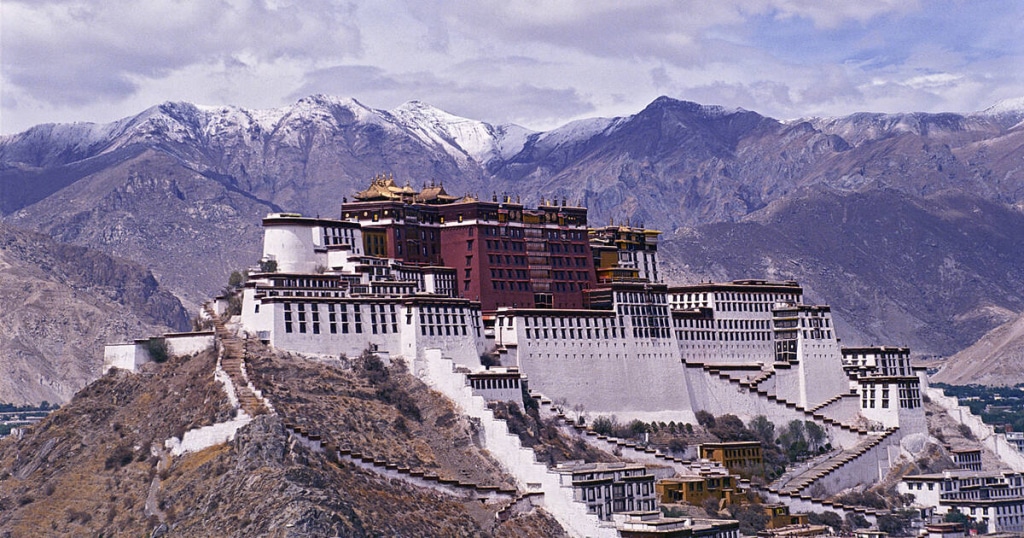


Nestled high in the Himalayas, Potala Palace stands as a breathtaking testament to Tibetan history and culture. This iconic structure has served as a symbol of Lhasa and a spiritual haven for the Dalai Lama, encapsulating centuries of devotion and artistry. Its historical significance not only reflects the rich tapestry of Tibetan heritage but also highlights the architectural marvel it embodies, with stunning designs that capture both beauty and resilience. Moreover, the cultural role of the Dalai Lama in Lhasa intertwines with the palace’s legacy, revealing a profound connection between spirituality, governance, and the people of Tibet. This blog post delves into the engaging stories and remarkable features that make the Potala Palace a cornerstone of Tibetan identity.
Historical Significance of Potala Palace
The Potala Palace serves as a monumental symbol of Tibetan culture and history. Constructed during the 7th century by King Songtsen Gampo, it originally functioned as a royal palace. Over the centuries, it evolved into the winter residence of the Dalai Lamas, thus becoming a spiritual hub for Tibetan Buddhism. The palace, which stands at an impressive elevation of 3,700 meters, has witnessed critical events in Tibetan history, including political struggles and cultural transformations.
Furthermore, in 1994, the Potala Palace was designated a UNESCO World Heritage Site, emphasizing its significance not only as a cultural landmark but also as a testament to Tibetan architectural ingenuity. Visitors are drawn to its rich history, which is intricately woven into the daily lives and spiritual practices of the Tibetan people, making it a vital part of Lhasa’s identity.
Architectural Marvel of the Potala Palace
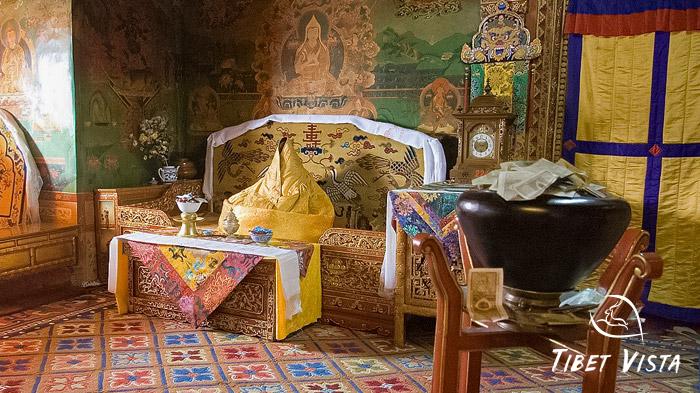
The Potala Palace stands as an extraordinary example of Tibetan architecture, showcasing a blend of traditional and modern design elements. Perched atop Marpo Ri Hill, this grand structure rises over 3,700 meters above sea level, providing breathtaking views of Lhasa. Its unique architectural style features sweeping red and white walls, intricate woodwork, and expansive terraces, which symbolize the cultural essence of Tibet.
The palace contains over 1,000 rooms, including 10,000 shrines and chapels, all adorned with stunning frescoes and sculptures. Innovatively constructed, the palace utilizes a thick wall design to withstand the region’s harsh weather conditions. This engineering achievement not only speaks to the skill of Tibetan builders but also reinforces the Potala Palace‘s significance as a spiritual and political center for centuries, making it a must-visit destination for travelers and historians alike.
Cultural Role of the Dalai Lama in Lhasa
The Potala Palace serves not only as a stunning architectural masterpiece but also as a vital cultural hub in the heart of Lhasa. The Dalai Lama, as the spiritual leader of Tibetan Buddhism, embodies the traditions and teachings that shape the values of the local community. His role extends beyond spiritual guidance; it encompasses the preservation of Tibetan culture and identity, especially during times of upheaval.
The teachings and rituals facilitated by the Dalai Lama foster a sense of unity among Tibetans and promote compassion, wisdom, and understanding. Additionally, the Potala Palace acts as a gathering place for cultural celebrations and religious ceremonies, further emphasizing the Dalai Lama’s influence. His efforts to champion cultural preservation resonate deeply within Lhasa, making him a central figure in both the spiritual and cultural landscape of Tibet.


