

Navigating the complexities of visa applications can be challenging, and unfortunately, many applicants face the disappointment of Visa Rejection. In 2025, understanding the common pitfalls that lead to unsuccessful applications is crucial for anyone looking to travel, study, or work abroad. If you find yourself in this situation, don’t lose hope. This guide will walk you through essential steps to take after a rejection, help you avoid frequent application mistakes, and provide valuable resources for reapplying successfully. With the right knowledge and preparation, you can turn a setback into a successful future application.
Common Reasons for Visa Rejection in 2025
Navigating the visa application process can be challenging, especially when faced with Visa Rejection. Recognizing the common pitfalls in 2025 can significantly increase your chances of approval.
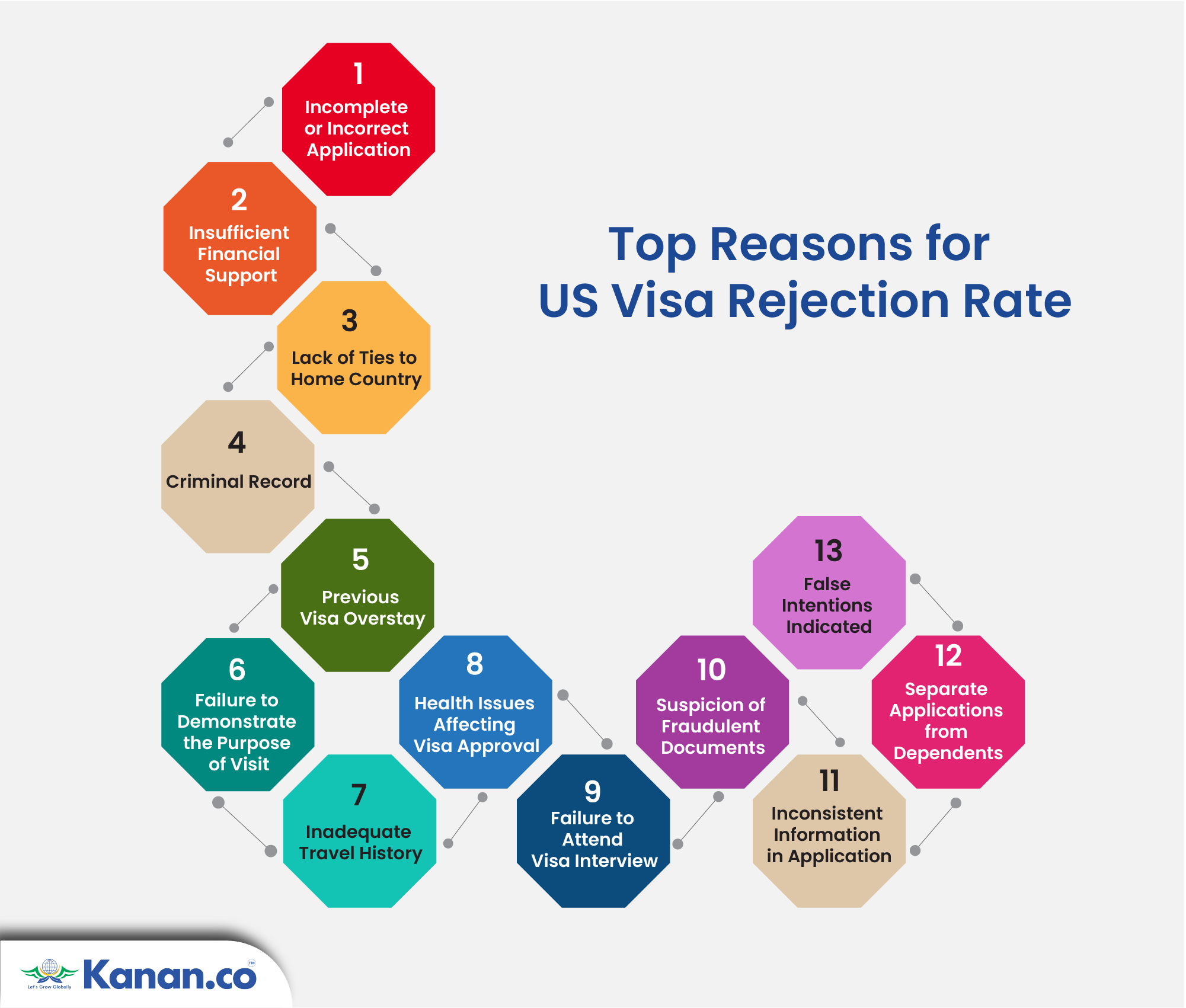
Incomplete Documentation: One of the primary reasons for visa denial is submitting incomplete or inaccurate documentation. Each visa category has specific requirements, and failure to provide all necessary paperwork can lead to immediate rejection.
Insufficient Financial Support: Applicants must demonstrate they have sufficient financial means to support themselves during their stay. Background checks into an applicant’s financial history can reveal discrepancies, resulting in a Visa Rejection.
Criminal Record: Any prior legal issues may adversely affect your application. U.S. immigration authorities maintain strict regulations regarding applicants with criminal records, which may result in immediate denial if not disclosed.
Inadequate Justification for Stay: Failing to explain the purpose of your visit clearly can raise red flags for immigration officers. It is crucial to provide strong, concise reasons articulating why you are seeking a visa.
Failure to Attend Interviews: Missing scheduled interviews or not responding to information requests can also lead to rejection. Staying proactive and responsive throughout the application process is paramount.
Understanding these factors can help you prepare diligently and improve your chances of a successful visa application in 2025.
Steps to Take After a Visa Rejection
Experiencing a Visa Rejection can be disheartening, but it is crucial to respond effectively to this situation. First and foremost, review the rejection letter carefully. It typically outlines the specific reasons for the denial, which can provide valuable insights into what went wrong in your application.
Next, remain calm and composed. Emotional decisions can lead to hasty actions that might worsen your situation. Take the time to reflect on the feedback you received and determine if there are any gaps in your documentation or information.
After that, consider seeking professional assistance. Immigration consultants or attorneys with expertise in visa applications can help identify flaws in your application and guide you on how to address these issues.
If you choose to reapply, make sure to correct the mistakes pointed out in your rejection letter. This often involves gathering new supporting documents, strengthening your case, and ensuring your application is comprehensive.
Lastly, don’t hesitate to utilize available resources. Many embassies provide guidance and tools for applicants, assisting them in understanding the procedures required for a successful reapplication. Following these steps can significantly improve your chances and help you overcome the setback of a Visa Rejection.
How to Avoid Common Application Process Mistakes
Navigating the visa application process can be daunting, but avoiding common mistakes will significantly increase your chances of approval. First, always ensure that you are using the most recent forms. Visa requirements can change frequently, and an outdated form may lead to a Visa Rejection.
Second, double-check your application for completeness. Missing information or documentation can raise red flags with immigration authorities. Ensure you have all necessary documents, such as bank statements, financial proof, and employment letters, organized and submitted properly. In addition, pay close attention to detail when answering questions. Ambiguities or incorrect responses can lead to misunderstandings that jeopardize your application.
Third, prepare for interviews thoroughly. Familiarize yourself with potential questions and articulate your plans clearly. Immigration officers often seek genuine intent behind your application. Fourth, consult with a professional if you’re unsure about any step. Immigration lawyers or consultants can provide insights and point out possible pitfalls that you might overlook.
Lastly, maintain a positive attitude, even if things don’t go as planned. By thoroughly preparing and avoiding these common application mistakes, you set yourself up for a more successful application experience next time. Taking these precautions could mean the difference between a visa approval and facing a disappointing Visa Rejection.
Resources for Reapplying Successfully After a Rejection
Reapplying for a visa after experiencing a Visa Rejection can be daunting, but with the right resources and approach, you can navigate the process smoothly. Here are some essential resources to assist you in your journey toward a successful application:
- Government Immigration Websites: Start by visiting the official immigration website of the country you wish to apply to. These sites often provide detailed information about the visa categories, application guidelines, and common reasons for Visa Rejection. Utilizing these resources can help you understand the requirements better.
- Legal Advisors: Consulting with an immigration attorney or specialist can be beneficial. They can provide personalized advice based on your unique situation and help you identify any deficiencies in your previous application. Their expertise can significantly increase your chances of success in the reapplication process.
- Online Forums and Communities: Engage with online platforms and social media groups focused on immigration. These communities can be invaluable for sharing experiences and advice. Members often discuss their own reapplication journeys, including what worked for them, which can help you avoid potential pitfalls.
- Visa Application Guidance Services: Consider investing in services that offer application reviews or editing. These professionals can offer insights into your documentation and presentation, ensuring you submit a polished application that meets all requirements.
- Resource Guides: Many organizations publish detailed guides and e-books that provide comprehensive insights into the visa application process. These documents often contain tips on how to address previous application shortcomings effectively.
By tapping into these resources, you can bolster your reapplication efforts and increase the likelihood of a successful outcome.