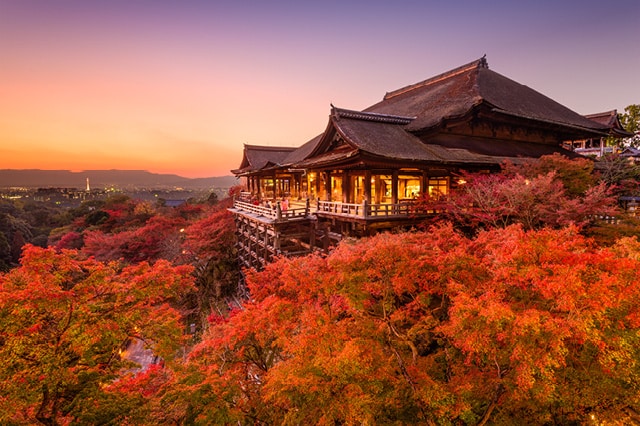


Kyoto, Japan, stands as a testament to the harmonious blend of history and natural beauty, where ancient traditions beautifully coexist with the stunning landscapes that define the region. From the serene temples and shrines that whisper tales of a bygone era to the meticulously maintained gardens and parks that showcase the allure of nature, every corner of this city invites exploration. As we delve deeper into the rich tapestry of Kyoto history nature, we unearth the delicate balance that has preserved its cultural heritage amidst the pressures of urban development. Join us on this journey to discover how Kyoto remains a sacred haven where the past and present seamlessly intertwine.
Exploring the Rich Kyoto History Through Its Temples and Shrines
Kyoto’s temples and shrines are not merely structures of stone; they are the living embodiments of the city’s rich history and cultural heritage. As you wander through the streets of Kyoto, you will encounter an impressive collection of over 1,600 temples and 400 shrines, each with its unique story and significance. Distinctive architectural styles showcase centuries-old traditions, reflecting the intricate craftsmanship that has been passed down through generations.
One of the most iconic examples is Kinkaku-ji, also known as the Golden Pavilion. Originally built in the 14th century, this Zen Buddhist temple is famous for its stunning gold-leaf-covered exterior, which reflects beautifully in the surrounding pond. Similarly, Fushimi Inari Taisha, with its thousands of vibrant torii gates, serves as a poignant reminder of the importance of Shinto beliefs and practices in Japanese culture.
In addition to their aesthetic appeal, these sacred sites also play a vital role in community life. They host numerous festivals and ceremonies, gathering locals and visitors alike to celebrate Kyoto’s timeless traditions. By exploring these historical places, you will gain a deeper appreciation for how Kyoto’s rich history intricately weaves with its stunning natural surroundings, resulting in a captivating tapestry of culture and spirituality.
The Natural Beauty of Kyoto: Gardens and Parks
Kyoto is renowned not only for its rich Kyoto history nature but also for its stunning gardens and parks, which offer a serene escape within this bustling city. The landscape features meticulously designed Japanese gardens, each showcasing a unique blend of natural elements and artistic design. Kinkaku-ji, or the Golden Pavilion, is one such example where the shimmering reflection in the surrounding pond creates a picturesque scene, embodying tranquility and harmony with nature.
Another must-visit is Arashiyama Bamboo Grove, where towering bamboo stalks sway gently in the breeze, providing a unique sensory experience for visitors. As you stroll through, the sunlight filters through the leaves, creating a magical atmosphere that draws you deeper into nature’s embrace.
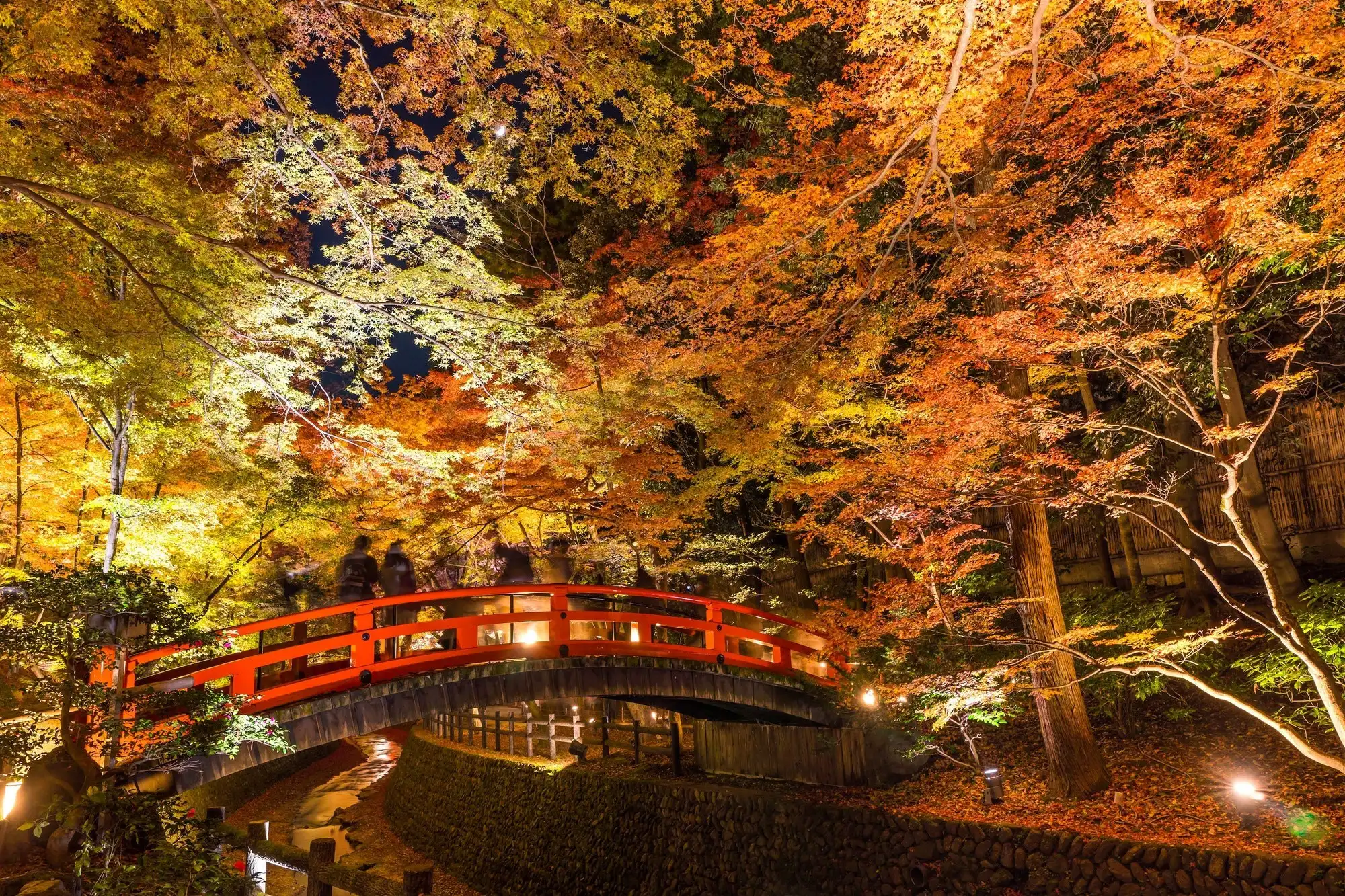
Furthermore, Kyoto’s Imperial Palace Park offers expansive lawns and seasonal flower displays, promoting a peaceful environment ideal for leisurely walks or picnics. The cherry blossoms in spring and vibrant maple leaves in fall transform the park into a canvas filled with vivid colors.
With numerous gardens and parks sprinkled throughout the city, Kyoto emphasizes the importance of embracing and preserving Kyoto history nature. These green spaces not only enhance the city’s beauty but also serve as reminders of the harmonious relationship between history and the natural world.
Kyoto History Nature: The Coexistence of Tradition and Environment
In Kyoto, the harmonious blend of cultural heritage and natural beauty is strikingly evident. Kyoto history nature manifests through its meticulously preserved temples and shrines, many of which are surrounded by stunning landscapes that reflect the changing seasons. For instance, the iconic Kinkaku-ji, or Golden Pavilion, sits amidst a tranquil garden, showcasing the elegant relationship between architecture and nature.
Moreover, the preservation of traditional practices reinforces this coexistence. Artisans in Kyoto uphold centuries-old crafts that often use local materials, keeping the connection to the environment alive. Take, for example, the artistry involved in kimono-making, which showcases patterns inspired by the surrounding flora and fauna, preserving both cultural and natural identities.
Additionally, Kyoto’s historical festivals, such as Gion Matsuri, celebrate its rich traditions and acknowledge the importance of natural cycles. The festivals often include parades that feature elaborate floats adorned with seasonal blooms, highlighting the city’s respect for its environment.
Visitors are encouraged to explore the city’s many gardens, such as the serene Nanzen-ji gardens, which exemplify the seamless integration of landscaping and historical architecture. Each path taken reveals not just the beauty of the scenery but also the deep-rooted philosophies that celebrate life, offering an unforgettable experience in this unique cultural tapestry.
Preserving Kyoto’s Cultural Heritage Amidst Urban Development
As Kyoto embraces modernization, the challenge of preserving its cultural heritage amidst urban development becomes increasingly significant. This ancient city, known for its stunning temples, serene gardens, and traditional wooden houses, is striving to maintain its unique identity in the face of rapid change. Local initiatives are being implemented to safeguard historical sites and promote sustainable urban planning.
One effective strategy is the establishment of heritage protection zones, which safeguard crucial landmarks from the effects of real estate advancements. These zones help ensure that the architectural and historical integrity of Kyoto is maintained, allowing residents and visitors to appreciate the layered tapestry of its past. Furthermore, community engagement is vital; local organizations often host workshops and educational programs that foster awareness about the importance of cultural preservation.
Additionally, collaborations between government and private sectors are essential for funding restoration projects and creating policies that prioritize heritage conservation. The City of Kyoto has also initiated campaigns encouraging the use of traditional materials and techniques in modern construction, promoting a harmonious balance between contemporary needs and historical authenticity. In this way, Kyoto beautifully illustrates how to harmonize development while respecting the rich tapestry of Kyoto history nature.


