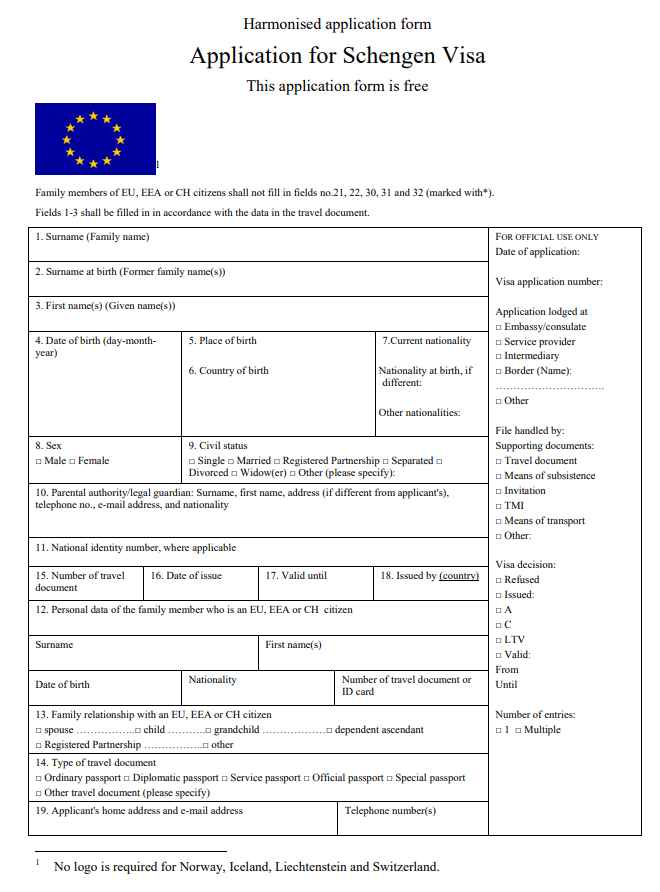


Navigating the Schengen Visa application process can seem daunting, but understanding its requirements and procedures is the first step to unlocking the beauty of Europe. Whether you’re planning a leisurely holiday, a business trip, or a family visit, this comprehensive guide will walk you through the different types of Schengen visas available and detail the step-by-step application process. In addition, we will highlight common mistakes applicants make and offer valuable tips to ensure your application stands out. With the right information and preparation, you can approach your visa application with confidence and ease.
Understanding the Schengen Visa: Types and Requirements
The Schengen Visa is a critical document for travelers planning to visit multiple European countries within the Schengen Area. This area comprises 26 nations that have abolished passport control at their shared borders, facilitating seamless travel. To navigate this process effectively, it’s essential to understand the various types of Schengen Visas and their specific requirements.
Types of Schengen Visas:
- Short-Stay Visa (Type C): Ideal for tourists, business visitors, or those on cultural exchanges, the Type C visa allows stays of up to 90 days within a 180-day period.
- Transit Visa (Type A): If you’re passing through a Schengen country to reach a non-Schengen destination, the Type A transit visa may be necessary. This visa enables travelers to stay in the airport’s international transit area.
- Long-Stay Visa (Type D): For individuals intending to stay longer for studies, work, or family reunification, the Type D visa is required. This visa permits extended residence and often leads to the possibility of a residence permit in the issuing country.
Requirements:
To apply for any type of Schengen Visa, certain documents are generally required, including:
- A valid passport with at least two blank pages.
- Proof of accommodation during your stay.
- Travel itinerary, detailing your flight bookings and plans.
- Travel insurance with coverage of at least €30,000.
- Financial proof to cover your expenses during the visit.
By understanding these visa types and their requirements, applicants can streamline their application process and enhance the likelihood of a successful outcome.
Step-by-Step Guide to the Schengen Visa Application Process
Applying for a Schengen Visa can seem overwhelming, but breaking the process down into manageable steps makes it easier. Here is a detailed guide to help you navigate the application process efficiently.
1. Determine the Type of Visa Needed: Start by identifying the specific type of Schengen Visa you require, depending on your travel purpose—be it tourism, business, study, or family visit.
2. Gather Required Documents: Prepare the necessary documentation. This typically includes a valid passport, photographs, travel itinerary, proof of accommodation, travel insurance, and financial means to support your stay.
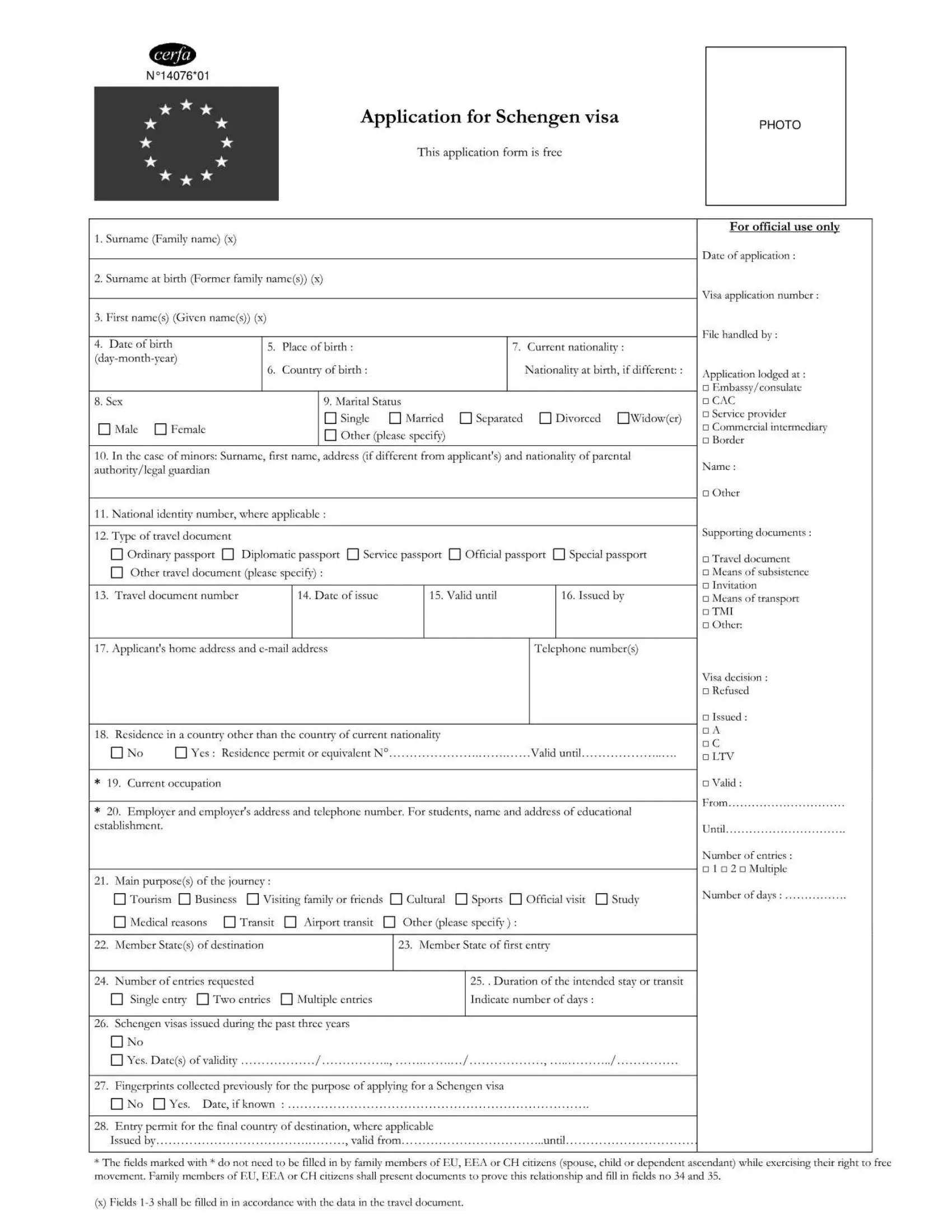
3. Complete the Application Form: Fill out the Schengen visa application form accurately. You can usually find this form on the official website of the consulate or embassy. Ensure all sections are completed, as any missing information can lead to delays.
4. Schedule an Appointment: Book an appointment at the respective embassy or consulate where you will submit your application. Some locations may also allow you to apply through visa application centers.
5. Attend Your Appointment: Visit the embassy or application center for your appointment. Bring all required documents, and be prepared for a potential interview. Answer questions confidently and provide any additional information requested.
6. Pay the Visa Fee: After submitting your application, pay the applicable visa fee. Make sure to keep the payment receipt, as it may be needed for tracking your application.
7. Wait for Processing: The processing time for a Schengen Visa can vary. During this period, track your application status if the consulate provides an online service.
By following these steps meticulously, you can enhance your chances of a successful visa application, allowing you to focus on your travels across the Schengen area.
Common Mistakes to Avoid When Applying for a Schengen Visa
Navigating the Schengen Visa application process can be daunting, and many applicants unknowingly make mistakes that can lead to delays or rejections. To ensure a smooth experience, it’s crucial to pay attention to these common pitfalls.
Incomplete Documentation: One of the leading reasons for visa denial is insufficient or incorrect documentation. Always check the specific requirements for your destination country and ensure that you have all necessary paperwork, including your travel itinerary, proof of accommodation, and financial statements.
Inaccurate Information: Providing false or inconsistent information can raise red flags during the application review. Carefully fill out your application form and double-check for accuracy. A small error, like misspelling a name or entering incorrect dates, can lead to automatic disqualification.
Neglecting the Application Timeline: Timing is everything when it comes to applying for a Schengen Visa. Many applicants fail to account for processing times, which can take several weeks. Aim to submit your application as early as possible to avoid last-minute stress and potential travel disruptions.
Overlooking Travel Insurance Requirements: Travel insurance is a mandatory requirement for a Schengen Visa. Ensure that your policy meets the minimum coverage, which should be at least €30,000 for medical expenses. Skipping this can result in denial before your application is even reviewed.
By staying vigilant and avoiding these common mistakes, you can enhance your chances of a successful visa application. Carefully prepare each aspect, and you will move one step closer to enjoying your travels in the Schengen Area.
Tips for a Successful Schengen Visa Application
Applying for a Schengen Visa can be a straightforward process if you follow some essential tips to enhance your chances of approval. Firstly, ensure that you have all required documents in order. This includes a valid passport, recent photographs, travel insurance, and proof of accommodation. Collecting these beforehand will save you time and effort.
Secondly, be meticulous with your application form. Read it carefully and provide accurate information. Inaccuracies can lead to delays or even rejections. Always cross-check your answers and be clear about your travel plans and purpose.
Additionally, consider submitting your application well in advance of your intended travel dates. This will allow sufficient processing time, which can sometimes take several weeks. Another important tip is to tailor your application to the specific country you will be visiting. Each nation may have unique requirements; thus, adapting your application can demonstrate your awareness and dedication.
Finally, prepare for the visa interview if required. Dress professionally and be prepared to answer questions regarding your travel intentions, financial stability, and ties to your home country. By following these tips diligently, you can significantly increase your chances of obtaining a Schengen Visa smoothly.